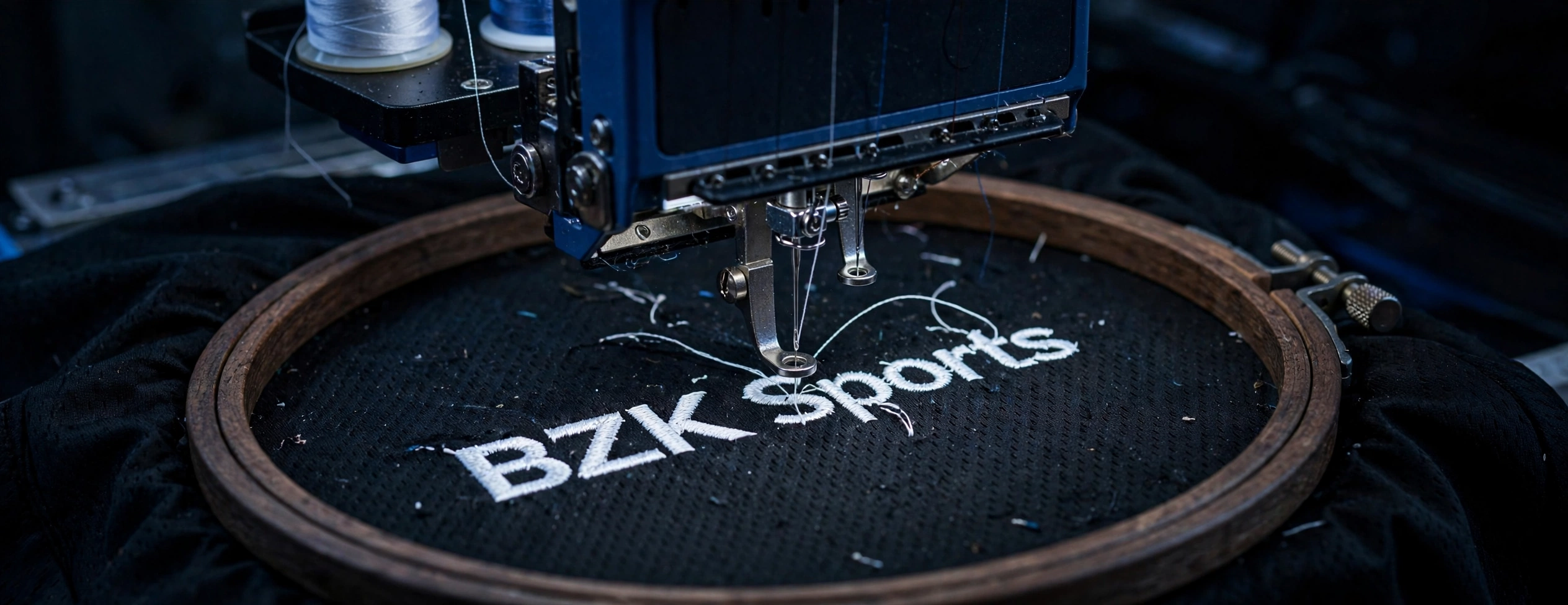
When it comes to putting your logo on sportswear, embroidery and heat transfer are the two most popular methods — and the durability question has no single winner. Both can last years. The right choice depends on your garment, your design, and how the piece will be washed and worn.
How Each Method Works
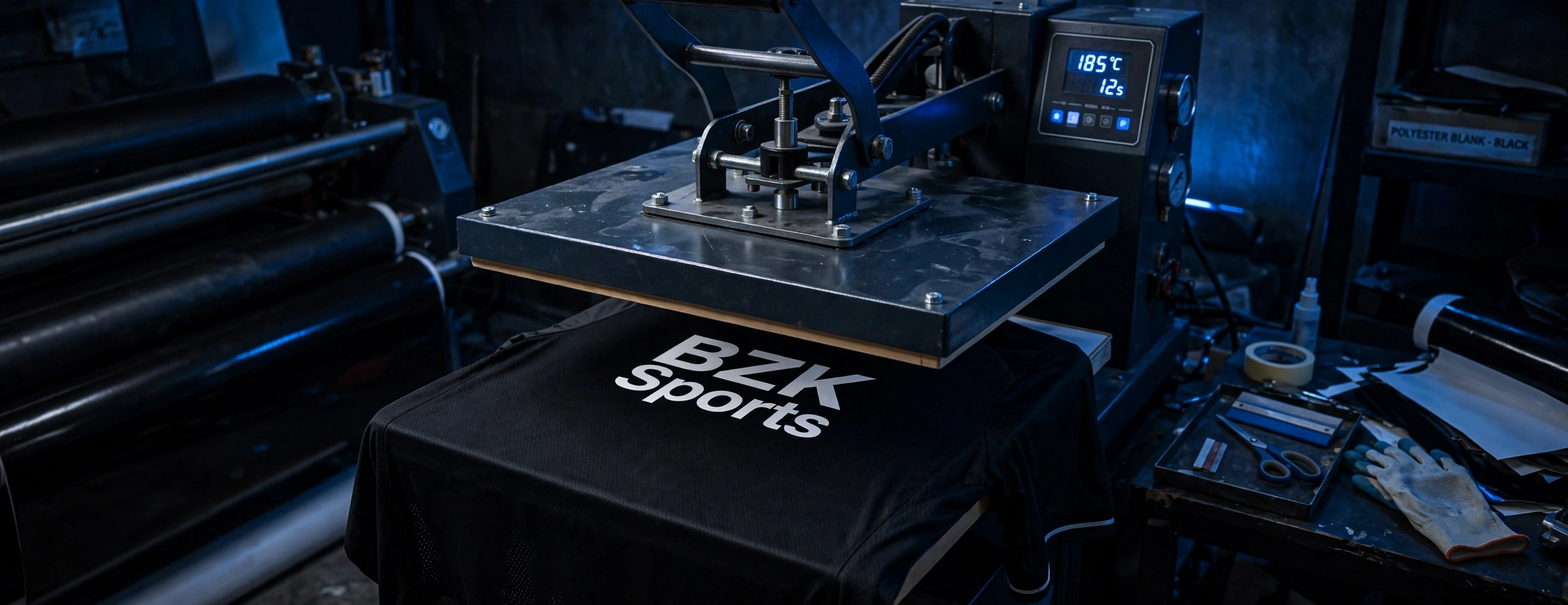
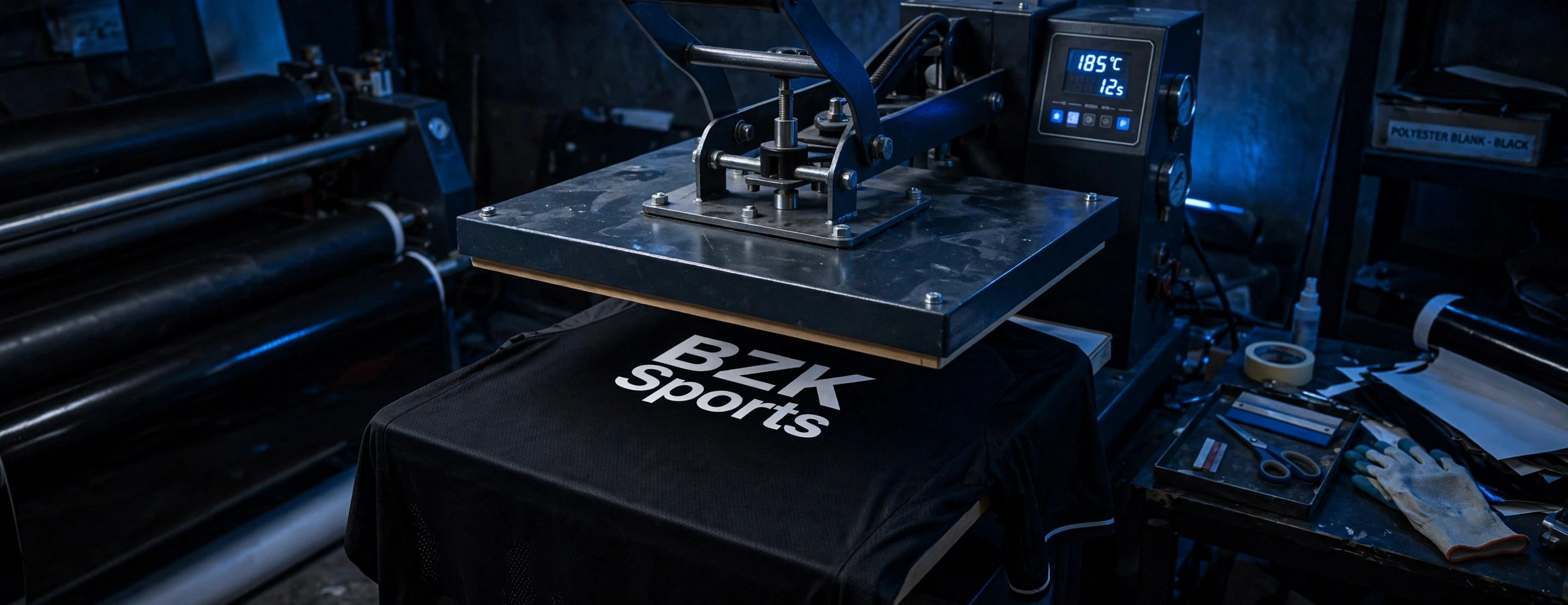
Embroidery stitches your logo into the garment with thread. It becomes part of the fabric's structure. Heat transfer presses a printed design onto the fabric with heat and pressure, bonding a thin film to the surface. That structural difference explains almost everything about how they wear.
Durability Compared
Embroidery is the most durable branding method available. Thread does not crack, peel, or fade in any meaningful way — an embroidered logo typically outlasts the garment itself. It survives repeated washing, stretching, and hard wear, which is why it dominates polos, hoodies, caps, and team jackets.
Heat transfer is highly durable when applied correctly, but it is a surface application. Quality transfers survive years of washing, yet over a long life they can eventually show edge wear on high-stretch areas. Modern materials have narrowed the gap considerably — a good transfer on the right fabric is not the fragile sticker people imagine.
Feel, Look, and Cost
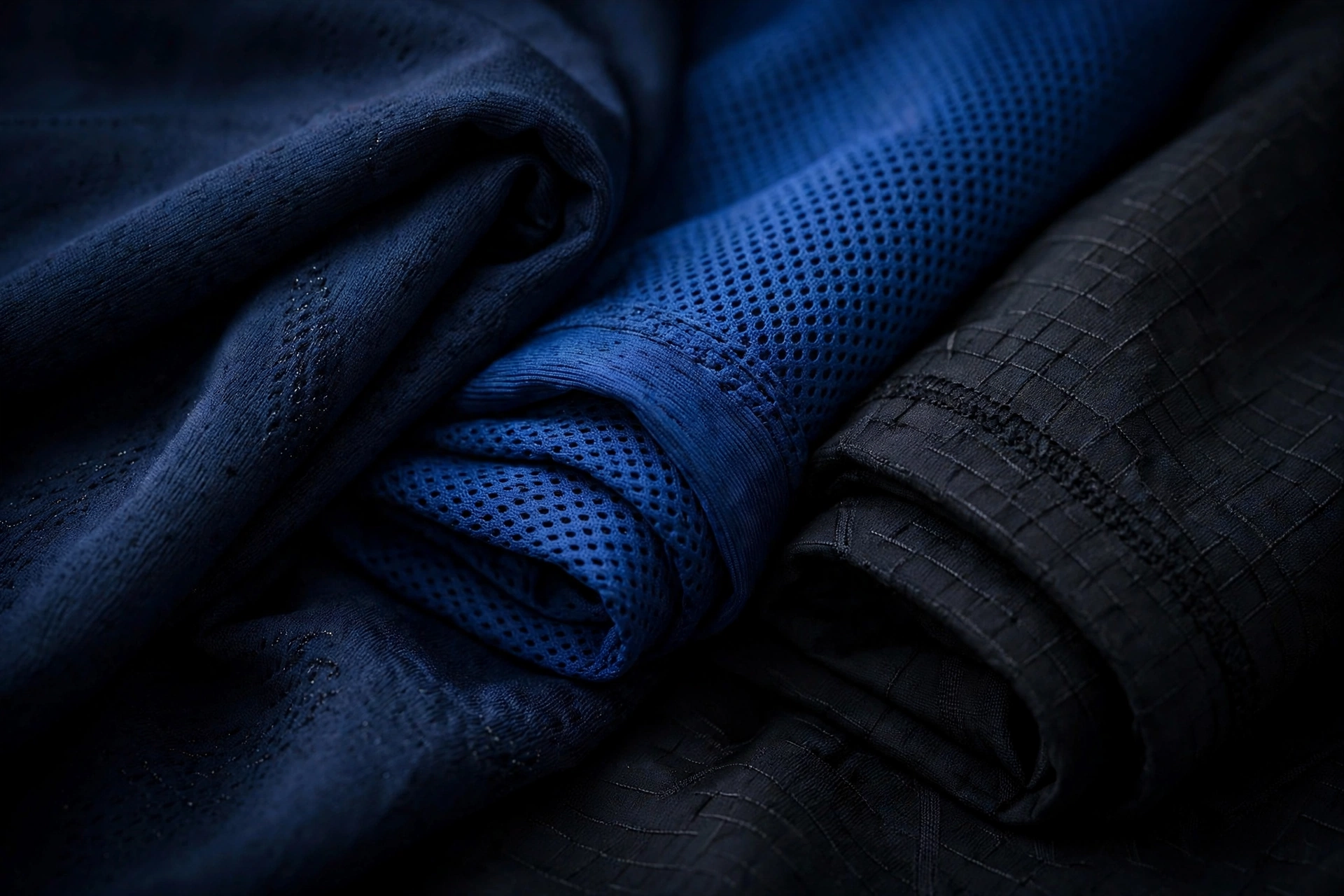
Embroidery has a raised, textured, premium feel and suits bold, relatively simple designs — fine detail and tiny text are its weakness, and pricing follows stitch count. Heat transfer is flat and smooth, reproduces full color, gradients, and fine detail easily, and is priced per application rather than per stitch — often more economical for complex designs and smaller runs. On lightweight performance fabrics, heat transfer also avoids the weight and stiffness embroidery can add.
Best Use Cases
- Choose embroidery for polos, hoodies, jackets, and caps; for premium, long-life branding; for simple, bold logos.
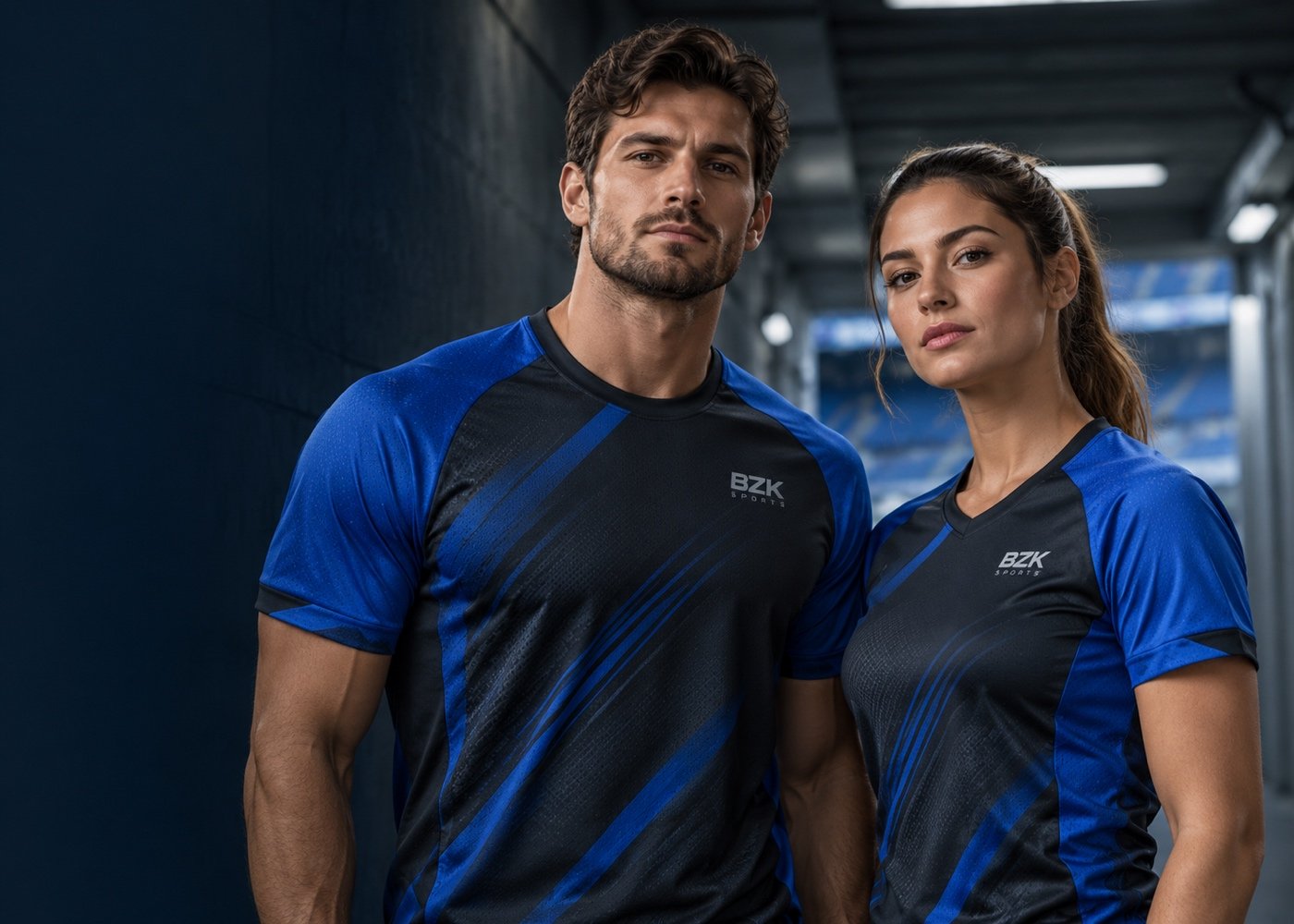
- Choose heat transfer for names and numbers, full-color artwork, performance fabrics, and designs with fine detail or gradients.
- Combine them when it suits the design — for example, an embroidered crest with heat-transferred names and numbers. We confirm combinations on your physical sample.
FAQ
Which survives washing better?
Embroidery, marginally — thread cannot peel. Quality heat transfers also survive years of washing with proper care (wash cold, avoid high iron heat directly on the transfer).
Does heat transfer peel?
Not when applied correctly to the right fabric. Peeling usually means the wrong material, wrong temperature, or a transfer pressed onto an unsuitable fabric.
Which is cheaper for small orders?
It depends: simple embroidered logos are cost-effective at any quantity, while complex multi-color designs are often cheaper as heat transfers because there is no per-color setup.
Not sure which suits your logo? Send us your artwork — we will recommend the method that lasts best on your fabric and design, free.